Where Can I Get The Latest Wholesale Clothing Sets?
The global apparel market is moving faster than ever. Trends rise, peak, and disappear in weeks. In this environment, sourcing the latest wholesale clothing sets is not about luck—it is about control, speed, and choosing the right supply model. Retailers, online sellers, brand founders, and distributors all face the same brutal reality: if your supply chain is slow, overpriced, or outdated, the market will leave you behind without mercy.
Whether you are sourcing Wholesale Clothing Sets for immediate resale, developing branded collections through customization, or scaling production through manufacturing, understanding how these models work—and how they intersect—is the difference between surviving and dominating.
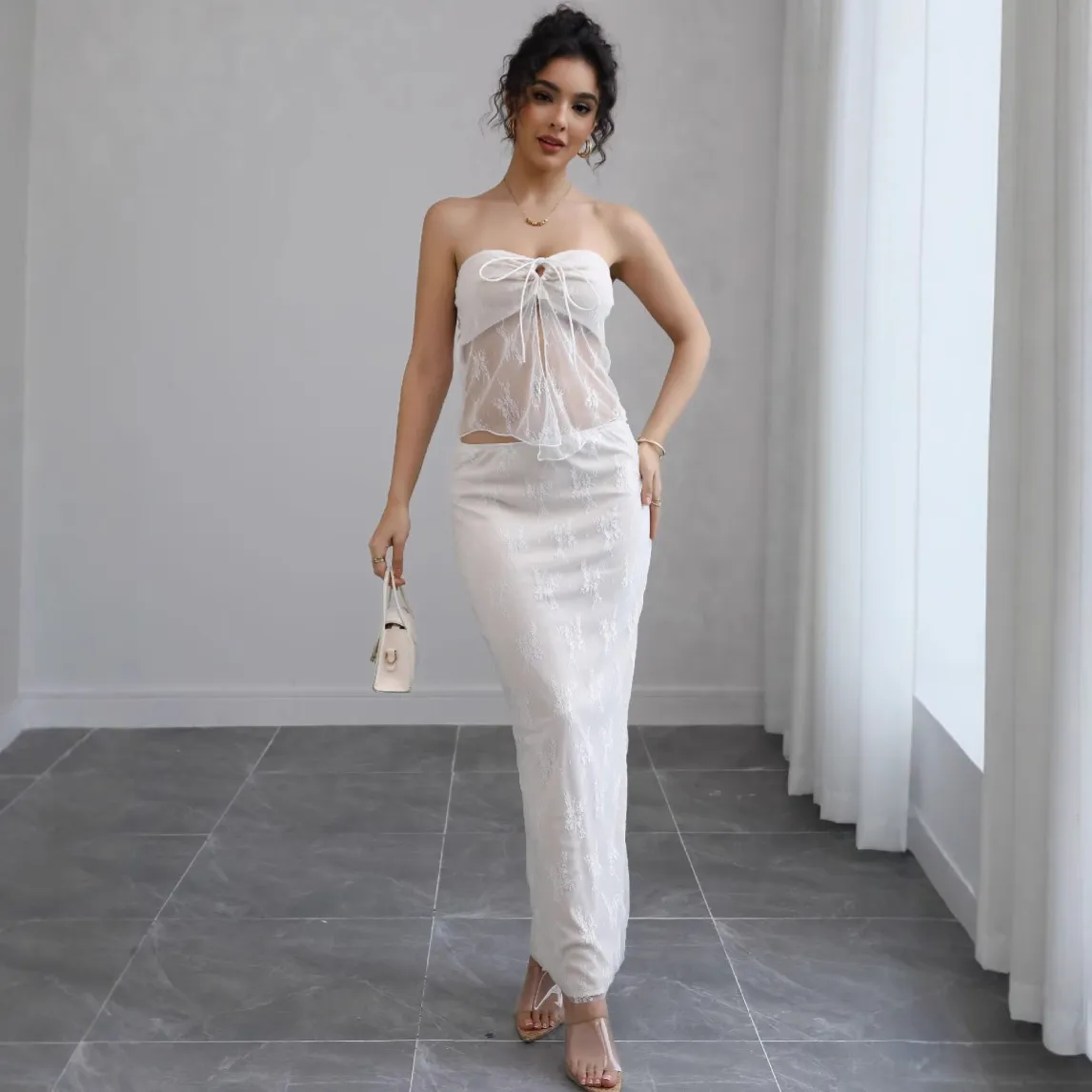
The Real Power Behind Wholesale Clothing Sets
Wholesale clothing sets exist for one reason: efficiency at scale. When suppliers sell coordinated outfits rather than single pieces, they reduce production complexity, packaging costs, and inventory friction. For buyers, that efficiency translates into margin, speed, and consistency.
Bulk purchasing is the backbone of wholesale. Most suppliers sell in predefined quantities—10 sets, 30 sets, 50 sets, or even 100 sets per style. The unit price drops sharply compared to retail sourcing, allowing sellers to build healthy profit margins without inflating consumer prices. This is why Wholesale Clothing Sets remain the weapon of choice for boutiques, TikTok sellers, Instagram shops, and cross-border eCommerce brands.
Another critical advantage is assortment efficiency. Wholesale sets typically ship in structured size and style bundles. Instead of guessing how many small or large pieces to order, buyers receive balanced runs—S-M-L assortments, seasonal color packs, or themed collections. This is especially valuable when sourcing Wholesale Two Piece Sets, which must maintain visual consistency across sizes to sell effectively.
The market now offers specialized categories that go far beyond basic matching outfits. Athleisure dominates urban demand, making Wholesale Joggers Sets and Wholesale Joggers Sets Womens consistent bestsellers across multiple regions. Coordinated skirts and tops remain strong in trend-driven markets, pushing demand for Wholesale Skirts Sets and Crop Top Skirt Set Wholesale options. Summer and resort seasons drive explosive growth in Wholesale Shorts Sets, while evergreen categories like Wholesale Men Sets and Wholesale Kids Sets ensure year-round sales stability.
Wholesale is not slow or outdated. Modern wholesale suppliers operate with ready stock, fast replenishment cycles, and global logistics networks. Many ship within 7–15 days, sometimes faster for in-stock items. This speed allows sellers to react to trends rather than predict them months in advance—a decisive advantage in today’s volatile fashion economy.
Custom Clothing Sets: Where Brand Identity Is Forged
Wholesale wins on speed, but customization wins on identity. Custom clothing sets are not about following trends—they are about owning them. Brands that want long-term relevance cannot rely solely on generic products. They need differentiation, recognition, and emotional connection. That is where custom sets take over.
Customization allows full control over design elements: fabric selection, color palettes, print techniques, embroidery placement, and silhouette adjustments. Whether developing Custom Women Sets, Custom Mens Sets, or Custom Kids Sets, the goal is the same—to create products that cannot be easily copied or price-compared.
Branding is the true value driver here. Custom services allow logos, woven labels, hangtags, wash tags, and branded packaging to be integrated directly into the product. This elevates perceived value, builds trust, and supports premium pricing. Customers are not just buying clothes—they are buying into a brand story.
MOQ requirements for customization are typically higher than ready-stock wholesale. Orders often start from 100–300 sets per style, depending on complexity. These minimums reflect real production costs: pattern development, sampling, fabric sourcing, and setup fees. As customization increases, so does the unit cost—but so does pricing power.
The sampling process is non-negotiable. Professional custom production follows a structured workflow: concept submission, pattern creation, sample production, revision, approval, and mass manufacturing. This process takes longer than wholesale purchasing, but it ensures accuracy and consistency. In serious branding, there are no shortcuts.
Customization is not limited to startups. Established retailers increasingly use custom capsules to test new markets or launch private labels. By combining fast-moving wholesale inventory with carefully planned custom drops, businesses balance cash flow with brand growth—a strategy that separates amateurs from professionals.
Manufacturing Strength: Scale, Control, and Stability
Manufacturing is where fashion becomes industrial. This model focuses on production capacity, cost optimization, and long-term supply chain stability. Manufacturers do not simply sell products—they build them from raw materials to finished goods.
Large-scale production facilities operate with dedicated sewing lines, trained labor, and standardized processes. This allows them to handle massive order volumes with consistent quality. For high-volume buyers, manufacturing offers unbeatable cost advantages and predictable delivery schedules.
One of the most important strengths of manufacturers is supply chain integration. Direct relationships with fabric mills, dye houses, printing facilities, and accessory suppliers eliminate unnecessary intermediaries. This shortens lead times and reduces cost volatility. It also allows manufacturers to adjust production plans based on order volume, seasonality, or material availability.
Manufacturers typically offer both OEM and ODM services. OEM focuses on execution—clients provide designs, and the factory produces them. ODM goes further, offering design development, sampling, and full production support. This is particularly valuable for emerging brands that lack in-house design teams but still want exclusive products.
Quality control is central to manufacturing credibility. Professional factories implement multi-stage inspections, covering fabric quality, measurements, stitching, printing accuracy, and final appearance. Many also provide third-party inspection reports and compliance documentation, which is critical for international trade and platform requirements.
Manufacturing is not for impulse buyers. It requires planning, capital, and a clear sales strategy. But for those ready to scale, it offers unmatched control over product, pricing, and supply continuity.
One Integrated System That Actually Wins
The smartest suppliers no longer force buyers to choose between wholesale, customization, or manufacturing. They offer all three—integrated into a single, streamlined system. This is not a luxury. It is a competitive necessity.
An integrated model allows buyers to start with ready-stock Wholesale Clothing Sets to generate immediate revenue. Once bestsellers are identified, those styles can be customized or reproduced through manufacturing, locking in exclusivity and higher margins. Hot products can be replenished quickly, while custom designs receive dedicated production slots.
This approach eliminates wasted time, fragmented communication, and inconsistent quality. Buyers work with one supplier, one logistics system, and one quality standard. The result is faster execution and stronger negotiating power.
Profit margins increase when middlemen disappear. Factory-direct pricing reduces procurement costs, while custom branding supports premium retail pricing. Inventory becomes more flexible, allowing businesses to scale up or down without being trapped by rigid supply chains.
Platforms like FashionTIY have positioned themselves as leaders in this integrated space. Promoting “70%+ Cheap Best Wholesale Market and Suppliers,” they connect buyers directly with trend-driven wholesale inventory, customization services, and manufacturing resources. For sellers who understand the value of speed and control, such platforms are not optional—they are strategic assets.
Factors That Decide Success or Failure
Every sourcing decision is shaped by a set of hard variables that cannot be ignored. Fabric choice determines cost, durability, and customer satisfaction. Cotton offers comfort, polyester delivers durability, and knitted blends provide flexibility—but each comes with different price points and lead times.
Production techniques affect both customization potential and final pricing. Printing, embroidery, patchwork, and color blocking all add value but also complexity. MOQ requirements influence cash flow and risk exposure. Logistics and customs determine delivery speed and landed cost, especially in international markets.
Quality control systems are the final gatekeepers. Poor QC leads to returns, negative reviews, and brand damage. Strong QC builds trust, repeat business, and long-term growth.
Choosing the Right Path Forward
Retailers and online sellers should prioritize ready-stock wholesale combined with light customization. This allows fast product launches and low-risk market testing. Brand founders should invest in OEM or ODM manufacturing to build unique identities and long-term supply control. Distributors can gain leverage by combining wholesale volume with private-label customization, creating differentiation in crowded markets.
The fashion industry does not reward hesitation. It rewards clarity, speed, and decisive sourcing strategies. Those who understand how wholesale, customization, and manufacturing work together will not just follow trends—they will set them.
And in a market that moves at breakneck speed, that control is everything.


评论
发表评论