Current Trends in Wholesale Sneakers: What Retailers Should Know
The wholesale sneaker market is experiencing significant transformation, driven by evolving consumer preferences, technological advancements, and shifting market dynamics. For retailers looking to capitalize on this lucrative segment, understanding current trends is essential for making informed purchasing decisions and staying ahead of the competition. In this comprehensive guide, we'll explore the latest trends in the wholesale sneaker market and provide actionable insights to help retailers navigate this dynamic landscape.
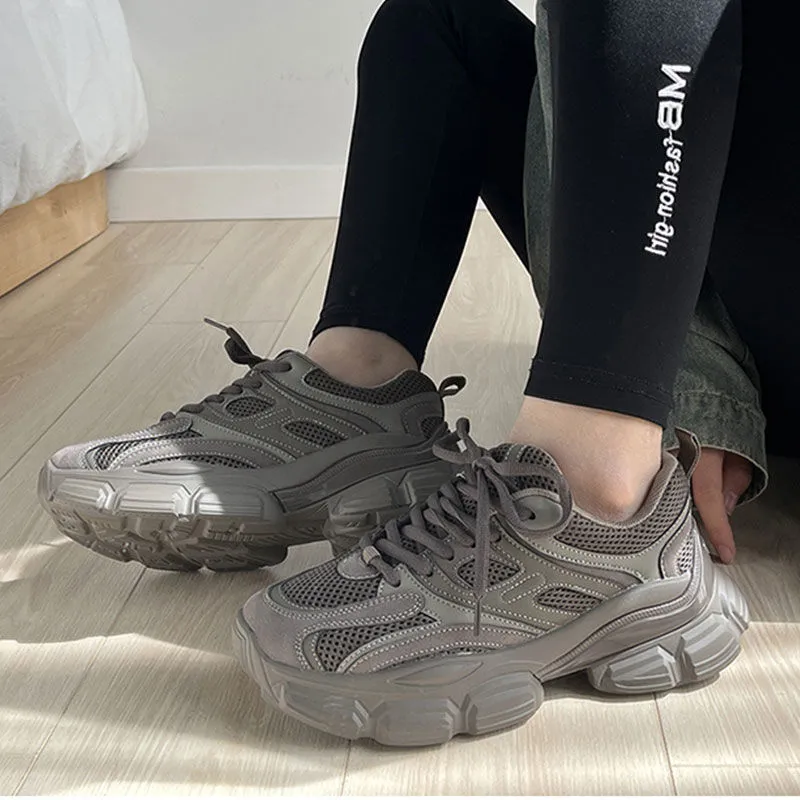
The Evolving Sneaker Market Landscape
The global sneaker market has grown exponentially in recent years, with wholesale sneakers becoming a cornerstone of many retail businesses. According to industry reports, the global sneaker market is projected to reach $100 billion by 2026, driven by increasing demand for comfortable, stylish, and functional footwear.
When exploring wholesale sneaker options, platforms like FashionTIY offer a comprehensive selection of wholesale sneakers at competitive prices, making it easier for retailers to access the latest styles and trends without overextending their budget.
Key Trends Shaping the Wholesale Sneaker Market
1. Sustainable and Eco-Friendly Materials
Environmental consciousness is driving significant changes in the sneaker industry. Consumers are increasingly prioritizing sustainability, and this trend is reflected in their purchasing decisions.
Recycled Materials: Many brands are now using recycled plastics, organic cotton, and sustainable rubber in their sneaker production.
Vegan Options: Vegan sneakers made from plant-based materials are gaining popularity among environmentally conscious consumers.
Circular Design: Brands are implementing take-back programs and designing sneakers with end-of-life recycling in mind.
Retailers should consider stocking sustainable sneaker options to cater to this growing consumer segment.
2. Technological Innovations
Technology is revolutionizing sneaker design and functionality, creating new opportunities for retailers.
Smart Sneakers: Footwear with embedded sensors that track performance metrics is gaining traction among fitness enthusiasts.
3D Printing: Customizable, on-demand production is becoming more accessible, allowing for personalized sneaker designs.
Advanced Cushioning Systems: New materials and designs are enhancing comfort and performance.
Staying informed about these technological advancements can help retailers offer cutting-edge products that appeal to tech-savvy consumers.
3. Athleisure and Lifestyle Integration
The lines between athletic and casual footwear continue to blur, with sneakers becoming a staple in everyday wardrobes.
Versatile Designs: Sneakers that transition seamlessly from gym to street are in high demand.
Fashion-Forward Styles: Collaborations between sportswear brands and fashion designers are creating unique, trendsetting styles.
Celebrity Endorsements: Influencer and celebrity collaborations are driving consumer interest and sales.
Retailers should focus on offering a mix of performance and lifestyle sneakers to cater to this integrated trend.
4. Customization and Personalization
Consumers increasingly seek unique products that reflect their individual style, driving demand for customizable sneakers.
Made-to-Order Options: Brands are offering personalized colorways, materials, and even custom embroidery.
Limited Editions: Exclusive releases and collaborations create buzz and drive collector demand.
Localized Designs: Regional and cultural influences are being incorporated into sneaker designs to appeal to specific markets.
Offering customizable options can help retailers differentiate their offerings and build customer loyalty.
5. Supply Chain Resilience
The global supply chain disruptions of recent years have highlighted the importance of resilient sourcing strategies.
Diversified Sourcing: Retailers are working with multiple suppliers to reduce dependency on single regions.
Transparency: Consumers are increasingly demanding visibility into supply chain practices.
Local Production: Some brands are shifting production closer to consumer markets to reduce shipping times and costs.
Building strong relationships with reliable suppliers like FashionTIY can help retailers navigate supply chain challenges more effectively.
6. E-Commerce and Digital Experiences
Digital channels are playing an increasingly important role in the sneaker market.
AR Try-On Technology: Virtual fitting tools are enhancing the online shopping experience.
Social Commerce: Platforms like Instagram and TikTok are becoming key sales channels for sneakers.
Subscription Services: Membership programs offering exclusive access to limited editions are gaining popularity.
Retailers should leverage digital tools and platforms to enhance their customers' shopping experience.
Consumer Demographics and Preferences
Understanding the evolving preferences of different consumer segments is crucial for retailers.
1. Gen Z and Millennial Consumers
These younger consumers are driving many of the market trends:
Brand Authenticity: They prioritize brands with strong values and transparent practices.
Social Media Influence: Their purchasing decisions are heavily influenced by social media and influencers.
Value for Money: While they appreciate quality, they're also price-conscious and seek good value.
2. Fitness Enthusiasts
This segment has specific needs:
Performance Features: They prioritize functionality, comfort, and durability.
Specialized Designs: They seek sneakers tailored to specific activities like running, training, or hiking.
Data-Driven Decisions: They often research extensively before purchasing, looking for reviews and performance data.
3. Fashion-Conscious Consumers
This group values style and trends:
Design Aesthetics: They prioritize unique, eye-catching designs.
Brand Recognition: They often gravitate toward established and emerging designer brands.
Limited Editions: They're willing to pay premium prices for exclusive releases.
Strategic Considerations for Retailers
To capitalize on the current trends in the wholesale sneaker market, retailers should consider the following strategies:
1. Diversify Product Offerings
Balance of Styles: Maintain a mix of performance, lifestyle, and fashion sneakers.
Price Points: Offer options across different price ranges to cater to diverse customer budgets.
Seasonal Adjustments: Rotate inventory based on seasonal trends and demands.
2. Build Strong Supplier Relationships
Reliability: Work with suppliers that consistently deliver quality products on time.
Communication: Maintain open lines of communication to stay informed about new releases and trends.
Negotiation: Establish favorable terms to maximize profit margins.
Platforms like FashionTIY can be valuable partners, offering a wide range of wholesale athletic shoes and wholesale running shoes at competitive prices.
3. Leverage Data and Analytics
Sales Data: Analyze historical sales to identify best-selling styles and trends.
Market Research: Stay informed about industry reports and consumer insights.
Competitor Analysis: Monitor competitors' offerings and pricing strategies.
4. Enhance Customer Experience
Product Knowledge: Train staff to provide informed recommendations based on customer needs.
Visual Merchandising: Create appealing displays that highlight featured products and trends.
Online Presence: Maintain an engaging online store with detailed product information and high-quality images.
5. Marketing and Promotion
Content Marketing: Create engaging content that showcases sneaker trends and styling tips.
Social Media: Utilize platforms like Instagram and YouTube to reach target audiences.
Influencer Partnerships: Collaborate with relevant influencers to increase brand visibility.
Case Study: Adapting to Market Trends
Consider the example of a small retail store that successfully adapted to the evolving sneaker market:
By diversifying their product offerings to include sustainable sneakers, collaborating with local influencers, and leveraging social media marketing, they saw:
A 35% increase in sneaker sales over six months
A 20% increase in customer engagement on social media
A 15% improvement in customer retention rates
This success story demonstrates the importance of staying attuned to market trends and adapting strategies accordingly.
Future Outlook
The wholesale sneaker market shows no signs of slowing down, with several emerging trends on the horizon:
Augmented Reality Integration: Further advancements in AR technology for virtual try-ons and customization
Biometric Feedback: Sneakers that provide real-time performance data to users
Sustainable Innovations: Continued development of eco-friendly materials and production methods
Direct-to-Consumer Models: More brands exploring direct distribution channels
Retailers who stay ahead of these trends will be well-positioned to capitalize on the growing sneaker market.
The wholesale sneaker market is dynamic and evolving, driven by changing consumer preferences, technological advancements, and sustainability concerns. By understanding current trends and adapting strategies accordingly, retailers can position themselves for success in this lucrative market.
Remember to:
Stay informed about the latest trends and innovations
Diversify product offerings to cater to different consumer segments
Build strong relationships with reliable suppliers
Leverage data and analytics to make informed decisions
Enhance the customer experience through knowledge and engagement
With the right approach and access to quality bulk sneakers from trusted suppliers like FashionTIY, retailers can navigate the evolving sneaker market and capitalize on its growth potential.
The future of wholesale sneakers is bright, and retailers who embrace change and innovation will be well-positioned to thrive in this exciting industry.


Comments
Post a Comment