The Impact of Sustainable Materials on Plus Size Clothing Market
Let’s cut straight to the chase: the plus size clothing market is at a crossroads. And if you’re a wholesaler still peddling cheap, unsustainable garments, you’re not just missing a trend—you’re courting irrelevance. The demand for sustainable fashion isn’t a passing fad; it’s a seismic shift in consumer behavior, and the plus size market is leading the charge.
The Sustainable Revolution in Plus Size Fashion
Make no mistake: plus size consumers are done with fast fashion. They’re tired of disposable clothing that falls apart after a few washes, tired of toxic materials that irritate their skin, and tired of brands that treat sustainability as an afterthought. This isn’t just a preference—it’s a mandate.
The Data Doesn’t Lie
The numbers tell the story: 68% of plus size consumers say they’re willing to pay more for sustainable clothing, compared to 54% of straight-size consumers. 73% of plus size shoppers actively seek out brands with sustainable practices, and 82% say they’ll switch brands if they find one that aligns with their values. These aren’t niche statistics—they’re the new reality.
The Material Revolution
Sustainable materials are no longer limited to scratchy hemp and shapeless organic cotton. Today’s sustainable fabrics are high-performance, comfortable, and flattering—exactly what plus size consumers demand. From recycled polyester to Tencel™, from organic cotton to bamboo, these materials offer the comfort, durability, and style that plus size shoppers crave.
The Supply Chain Imperative
Sustainability isn’t just about materials—it’s about the entire supply chain. Plus size consumers want transparency: they want to know where their clothes are made, who made them, and what impact they’re having on the planet. Brands that can’t provide this transparency will struggle to compete.
For wholesalers ready to embrace this revolution, plus size womens clothing wholesale offers a gateway to the future of fashion. By partnering with suppliers who prioritize sustainability, wholesalers can position themselves as leaders in this rapidly evolving market.
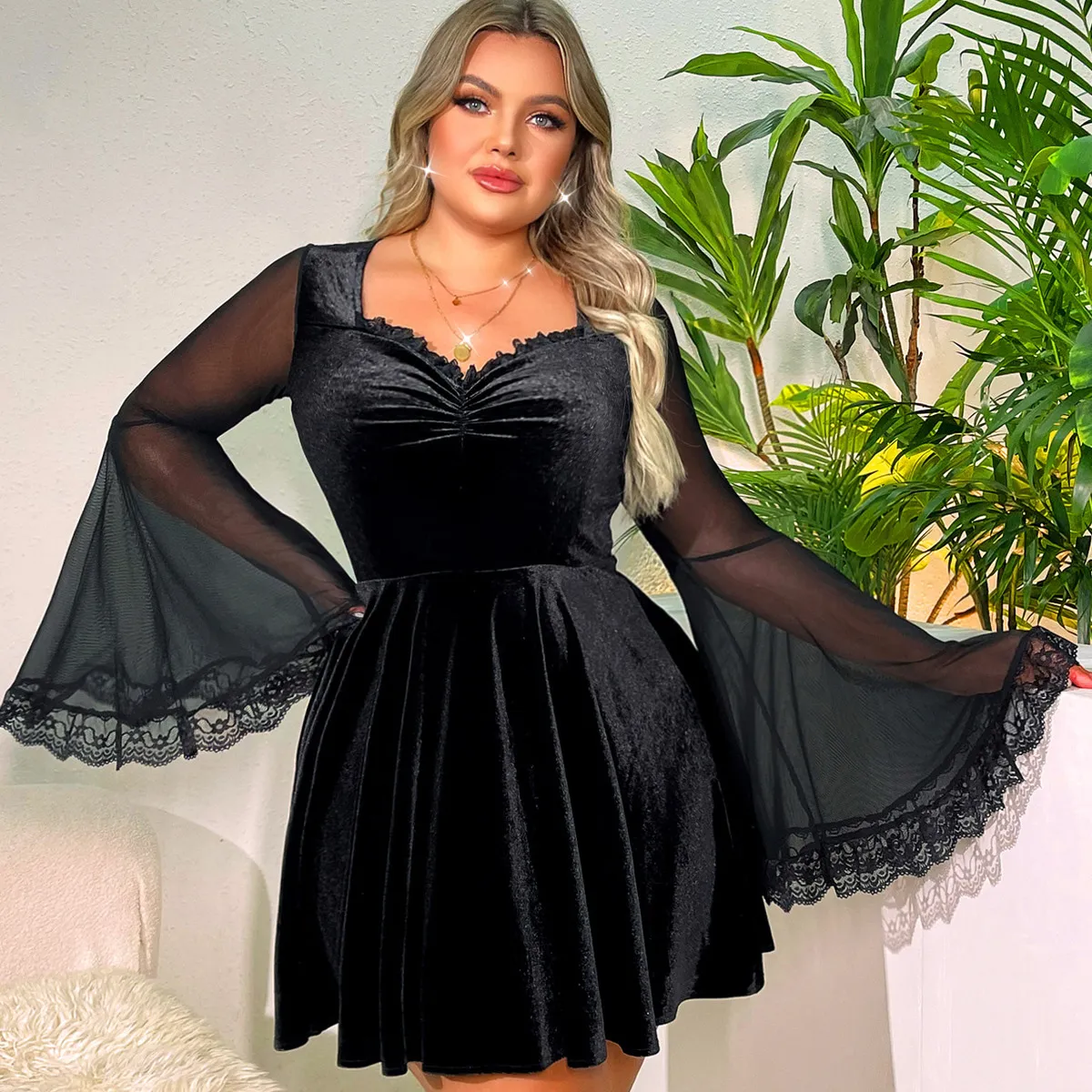
The Consumer Demand: Why Plus Size Shoppers Are Leading the Charge
Let’s be clear: plus size consumers aren’t just following the sustainable fashion trend—they’re driving it. Here’s why:
The Cost of Fast Fashion
Plus size consumers have long been underserved by the fashion industry, forced to choose between limited options and poor quality. This has made them more discerning, more value-conscious, and more likely to invest in pieces that last. Sustainable clothing, with its focus on quality and durability, aligns perfectly with this mindset.
The Ethical Imperative
Plus size consumers are acutely aware of the fashion industry’s impact on the planet. They understand that fast fashion’s reliance on cheap labor and toxic materials disproportionately harms marginalized communities. This awareness has made them more committed to supporting brands that prioritize ethical practices.
The Visibility Factor
Plus size consumers are more visible than ever before, thanks to social media and the body positivity movement. This visibility has given them a platform to demand better from brands, including more sustainable options. They’re not just consumers—they’re activists, and they’re holding brands accountable.
For wholesalers looking to meet this demand, wholesale plus size womens fashion that prioritizes sustainability is no longer optional—it’s essential. By offering sustainable options, wholesalers can tap into a growing market of conscious consumers who are willing to pay a premium for ethical, eco-friendly clothing.
Strategic Opportunities for Wholesale Suppliers
The sustainable plus size market isn’t just a moral imperative—it’s a business opportunity. Here’s how wholesalers can capitalize on it:
Material Innovation
Wholesalers need to stay ahead of the curve when it comes to sustainable materials. This means investing in research and development, partnering with material innovators, and continuously updating their product offerings to include the latest sustainable fabrics. For example, wholesale plus size dresses made from organic cotton or recycled polyester can appeal to eco-conscious consumers while maintaining style and comfort.
Design for Sustainability
Sustainable fashion isn’t just about materials—it’s about design. Wholesalers need to work with designers who understand how to create flattering, functional plus size garments using sustainable materials. This means designing for durability, versatility, and timelessness. Wholesale plus size sets that mix and match pieces can offer versatility while reducing waste.
Marketing with Authenticity
Greenwashing won’t cut it in the plus size market. Wholesalers need to be authentic about their sustainability efforts, transparent about their supply chains, and honest about their progress. Plus size consumers can spot a fake from a mile away, and they won’t hesitate to call out brands that make empty promises. Wholesale plus size swimwear made from recycled plastic bottles is a great example of a product that can be marketed authentically.
Pricing Strategy
Sustainable clothing often costs more to produce, but that doesn’t mean it has to be unaffordable. Wholesalers can implement strategic pricing strategies, such as offering a range of price points, highlighting the long-term value of sustainable garments, and creating bundled offerings that make sustainable options more accessible. Wholesale plus size lingerie made from sustainable materials can be positioned as a premium option while still being accessible.
For wholesalers looking to offer customized options, custom plus size clothing presents a unique opportunity. By allowing customers to customize their garments, wholesalers can reduce waste, increase customer satisfaction, and differentiate themselves from competitors.
The Future of Sustainable Plus Size Fashion
The sustainable plus size market isn’t just growing—it’s evolving. Here’s what’s on the horizon:
Technology Integration
From 3D printing to digital design, technology is revolutionizing sustainable fashion. Wholesalers who embrace these technologies can reduce waste, improve fit, and create more personalized experiences for customers. Wholesale plus size jeans made using digital design technology can offer better fit and reduce waste.
Circular Fashion
The circular economy is gaining traction in the plus size market. Wholesalers who implement take-back programs, repair services, and recycled collections will position themselves as leaders in this space. Wholesale plus size denim made from recycled denim is a great example of a circular fashion product.
Regulatory Changes
Governments around the world are implementing stricter regulations on the fashion industry, including mandatory sustainability reporting and extended producer responsibility. Wholesalers who get ahead of these regulations will avoid penalties and position themselves as compliant, forward-thinking brands.
Consumer Education
As sustainable fashion becomes more mainstream, consumer education will become increasingly important. Wholesalers who invest in educating their customers about sustainable materials, care instructions, and the impact of their purchasing decisions will build trust and loyalty.
The Hard Truth: Adapt or Perish
Let’s be blunt: the days of unsustainable plus size fashion are numbered. Consumers are demanding better, regulators are cracking down, and the market is shifting. Wholesalers who fail to adapt will be left behind.
Success in this new era requires a commitment to sustainability at every level: from material sourcing to design, from production to marketing. It requires a willingness to invest in research and development, to partner with like-minded suppliers, and to communicate transparently with customers.
But here’s the good news: the sustainable plus size market is not just a moral imperative—it’s a profitable one. Wholesalers who embrace this shift will tap into a growing market of conscious consumers who are willing to pay more for ethical, eco-friendly clothing.
So, what’s it going to be? Are you going to continue peddling unsustainable garments, or are you going to step up and lead the sustainable revolution in plus size fashion? The choice is yours. But let’s be clear: the clock is ticking, and the plus size consumer isn’t waiting around for wholesalers to catch up.
The future of plus size fashion is sustainable. And for wholesalers ready to embrace this reality, the opportunities are endless. It’s time to stop talking about sustainability and start living it. The plus size market is counting on you.


Comments
Post a Comment