Best Wholesale Makeup Products for Beauty Retailers
Beauty retail is no longer a simple game of putting products on shelves and waiting for customers to buy them. Competition is brutal, trends move at high speed, and shoppers can compare prices, ingredients, packaging, and reviews in seconds. For beauty retailers, choosing the right wholesale products is therefore not a minor purchasing decision—it can determine whether a business grows or gets buried under unsold inventory.
The smartest retailers are building broad, flexible product portfolios instead of betting everything on one category. Wholesale Beauty Products can cover makeup, skincare, fragrance, nail products, wigs, hair extensions, beauty tools, and personal care essentials. This one-stop approach gives retailers more opportunities to attract different customer groups while simplifying purchasing and supply-chain management.
But variety alone is not enough. A supplier must offer competitive pricing, dependable quality, fast trend updates, flexible order quantities, and reliable international fulfillment. Cheap products that arrive late, look nothing like the samples, or fail to meet quality expectations are not bargains. They are expensive problems.
Build a Makeup Portfolio That Actually Sells
The first priority for beauty retailers should be products with strong everyday demand and obvious repeat-purchase potential. Makeup is particularly attractive because customers rarely stop at one product. Someone buying foundation may also need concealer, lipstick, lip gloss, mascara, brushes, makeup bags, and other beauty accessories.
Lip products deserve special attention. Wholesale Lip Gloss remains an attractive category because glossy, hydrating, and high-shine finishes continue to appeal to consumers across different age groups. Retailers should avoid building a collection around only one color family. Instead, offer nude, pink, brown, red, berry, and transparent shades to give customers enough choice without creating an inventory nightmare.
Packaging matters almost as much as the formula. Consumers increasingly judge beauty products visually before trying them. Attractive tubes, jars, boxes, and coordinated collections can make an inexpensive product look considerably more premium. This is particularly important for boutique retailers and social-commerce sellers, where product presentation can determine whether a customer stops scrolling.
Skincare is another powerful addition to a makeup-focused assortment. Cleansers, moisturizers, serums, masks, and basic personal-care products create natural opportunities for cross-selling. Retailers can build complete routines instead of selling isolated products.
For packaging needs, businesses may also work with Wholesale Cosmetic Jars Suppliers to source containers suitable for creams, masks, balms, and other beauty formulas. Consistent packaging can strengthen a private-label collection and make multiple products look like one professional brand.
The same principle applies to accessories. Bulk Makeup Bags can be sold separately or bundled with cosmetic collections, gift sets, or travel kits. A retailer that thinks beyond individual SKUs can increase average order value without dramatically increasing acquisition costs.
Fragrance and Hair Products Can Multiply Your Sales
A beauty store that sells only makeup is voluntarily limiting its revenue potential. Fragrance is one of the easiest categories to integrate because it serves both impulse buyers and loyal repeat customers.
Retailers looking to test new fragrance lines can consider Mini Fragrances Wholesale. Smaller formats are convenient for handbags, travel, gifting, and sampling. They can also lower the customer's initial purchase barrier. Instead of asking shoppers to commit to a full-size fragrance immediately, retailers can offer compact options that encourage experimentation.
Men's fragrance deserves equal attention. Men's Cologne Wholesale gives retailers access to a category with consistent demand and strong gifting potential. A balanced fragrance selection should include fresh, woody, spicy, citrus, and warm profiles rather than relying on a single scent direction.
Women's fragrance can be equally important. Wholesale Womens Cologne collections can include floral, fruity, oriental, fresh, and sophisticated scent profiles, allowing retailers to appeal to different preferences and occasions. The goal is not to stock every fragrance imaginable. It is to create a commercially intelligent selection with enough variety to capture demand without tying up excessive capital.
For businesses developing their own fragrance products, Wholesale Fragrance Oil can also provide an important sourcing option. Fragrance oils may be used in suitable product applications, depending on formulation requirements and intended use. Retailers considering private-label fragrance should pay close attention to ingredient information, compliance documentation, packaging requirements, and product testing instead of chasing the lowest possible cost.
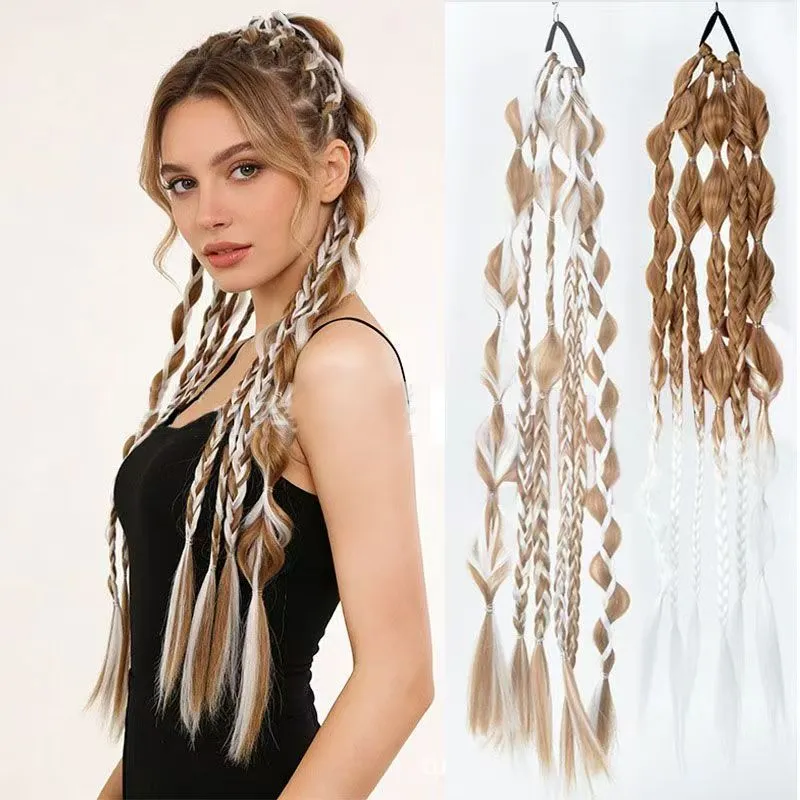
Hair products offer another major opportunity. Wigs, extensions, and hair tools can dramatically expand the customer base of a beauty retailer. Bulk Wigs are particularly useful for businesses that need multiple styles, lengths, colors, or textures for salons, beauty stores, online shops, and resellers.
For customers who braid their hair, Bulk Human Hair for Braiding can serve a highly specific but commercially valuable market. Retailers should pay attention to texture, length, color consistency, packaging, and sourcing information. Hair buyers can be demanding, and poor-quality stock can quickly damage a retailer's reputation.
Meanwhile, Extension Hair Wholesale allows businesses to build an assortment around popular extension types and customer preferences. Retailers can offer different lengths, textures, colors, and application methods to serve both professional stylists and individual shoppers.
Choose Suppliers on More Than Price
Wholesale pricing matters. Pretending otherwise would be ridiculous. Retailers need sufficient margins to cover shipping, marketing, labor, platform fees, returns, and other operating costs. However, purchasing solely according to the lowest quoted price is one of the fastest ways to create future problems.
A serious supplier should provide clear product specifications, ingredient information where applicable, packaging details, minimum order quantities, production timelines, and quality-control information. Beauty and personal-care products can involve regulatory and safety considerations, so retailers should not accept vague answers when documentation matters.
Quality consistency is equally important. A supplier may provide an excellent sample and then deliver a completely different bulk order. Retailers should establish clear expectations before committing to large purchases. Samples, specifications, packaging references, and inspection procedures can reduce unnecessary risk.
Flexible purchasing is another major advantage. New businesses may need small-batch wholesale orders while established distributors may require large-volume procurement. A supplier capable of supporting both stages can become a long-term partner rather than a temporary source.
Trend speed also matters. Beauty consumers move quickly. A shade, finish, hairstyle, fragrance profile, or nail design that becomes popular today may be old news tomorrow. Suppliers that continuously update their catalogs give retailers a better chance of responding to market demand instead of clearing outdated inventory months later.
Retailers should also consider whether a supplier supports multiple sales channels. Products may be sold through physical beauty stores, salons, nail shops, hair studios, boutiques, independent websites, marketplaces, and social-commerce platforms. A flexible product portfolio allows one purchasing strategy to support several revenue channels.
Beauty tools are an excellent example. Wholesale Haircare Tools can complement hair products, wigs, and extensions while creating additional opportunities for professional and consumer sales. Brushes, combs, styling accessories, and related tools can be marketed as practical add-ons rather than isolated products.
Turn Wholesale Purchasing Into a Real Business Strategy
The best wholesale strategy is not about buying the largest quantity possible. It is about buying the right products at the right price, in the right quantity, at the right time.
Retailers should divide their purchasing portfolio into several layers. Core products should receive the largest share of inventory because they generate predictable demand. Trend-driven products should be purchased more cautiously because their popularity can change quickly. Experimental products should begin with smaller quantities until customer response proves that additional investment makes sense.
This approach is especially useful for online retailers. Digital sellers can test multiple products, track clicks and conversions, and quickly increase inventory for winning SKUs. Social-commerce sellers can also use product bundles, limited-time collections, and seasonal campaigns to move inventory more efficiently.
Private labeling can take the strategy one step further. Instead of endlessly competing on price with identical products, retailers can develop their own packaging, brand identity, and product collections. Depending on the supplier, OEM/ODM services may allow customization of packaging, labeling, formulations, colors, specifications, or other product details.
However, customization should not be treated as a shortcut to success. A beautiful package cannot rescue an inferior product. Retailers need a combination of reliable quality, distinctive branding, sensible pricing, and consistent supply.
International sourcing introduces another layer of complexity. Shipping times, customs requirements, packaging standards, documentation, taxes, and regional regulations can all affect the final cost. A supplier with international wholesale experience can reduce some of these headaches, but retailers still need to understand the requirements of their target markets.
Ultimately, the strongest beauty businesses think in terms of a complete ecosystem. Makeup attracts customers. Skincare encourages routine-based purchases. Fragrance creates gifting and personal-use opportunities. Wigs and extensions attract hair-focused consumers. Tools increase cross-selling potential. Accessories improve bundles and average order value.
That is the real advantage of a comprehensive wholesale beauty supply chain.
The beauty market rewards businesses that move decisively, but it punishes careless purchasing. Retailers should demand competitive prices without sacrificing quality, pursue trends without filling warehouses with short-lived products, and expand their catalogs without losing control of inventory.
A strong Wholesale Beauty Products strategy gives retailers exactly what they need: product variety, flexible purchasing, competitive costs, fast-moving trends, customization opportunities, and access to an integrated supply chain.
The winners will not simply be the retailers with the biggest catalogs. They will be the retailers that know what deserves shelf space, what deserves a test order, and what deserves to be reordered immediately. In beauty retail, hesitation costs sales—and poor sourcing costs much more.


Comments
Post a Comment